
The Institute for Good Governance is a not-for-profit organization dedicated to facilitating the development of inclusive, participatory policies that improve governance outcomes for the benefit of the people of Pakistan. The Institute is developing a National Charter for Governance Reforms — a living, evolving framework of specific, actionable reforms across key thematic areas. The thematic areas identified in the Charter will help shape the Institute’s reform agenda.
We believe that effective governance is the foundation of a nation's well-being. True and lasting policy cannot be dictated from the top down; it must be consultative, collaborative, and responsive—built from the ground up, together.
To achieve this, we provide an independent, non-partisan digital commons. This is a space where every participant—citizens, stakeholders, experts, members of civil society from all backgrounds, and institutions, whether at home or abroad—can contribute their knowledge and innovation. Our platform is designed to shape policies that advance effective governance, improve quality of life, reinforce democratic, legislative, and judicial processes, foster climate-resilient development, and protect our national security and heritage.
At the heart of our mission is the responsible exercise of power and authority. Our work is guided by a steadfast commitment to transparency, accountability, integrity, equity, efficacy, and efficiency. We are anchored by the supremacy of the Constitution and the rule of law, a deep respect for human rights, and a dedication to consensus-oriented, inclusive participation. Our overarching objective remains clear: to enhance public welfare and achieve the enduring goals of sustainable development for Pakistan.


Our mission is to advance good governance as a shared responsibility of the state and all sections of society by promoting transparency and accountability, encouraging informed and inclusive citizen participation, supporting evidence-based dialogue, and facilitating the formulation of practical, results-oriented public policies.
Our vision is to help build a culture of good governance by providing a trusted national platform where ideas are rigorously debated, refined through collaboration, and translated into meaningful policy action.
The Institute may also undertake the following activities:
Organise training programmes, workshops, seminars, conferences and related activities to promote understanding of good governance and strengthen institutional capacity.
Provide advisory, technical, legal and administrative support on governance, public policy and institutional reform.
Conduct and promote research on governance, public policy and related issues, and publish reports and studies thereon.
Collaborate with national and international organizations, academic institutions, think tanks and other stakeholders for promoting good governance and the objects of the Institute.
Promote public awareness and informed dialogue on governance, transparency, accountability and public service delivery.
Publish journals, papers, reports and other material relating to governance and public policy.
Promote the use of digital technologies and innovative systems for improving governance and public services.
Encourage ethical principles, integrity and professional standards in governance and institutional practice.
Undertake income-generating activities, collaborations and initiatives for furtherance of the objects of the Institute.
The Institute for Good Governance has been founded by professionals with extensive experience in public administration, policy reform, law, economics, and institutional development.
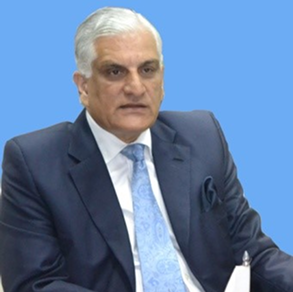
Zahid Hamid is Chief Executive Officer of the Institute for Good Governance. He is an Advocate of the Supreme Court of Pakistan, with professional specialization in constitutional, commercial and environmental law.



Asma Hamid is an Advocate of the Supreme Court of Pakistan with over two decades of experience in litigation, dispute resolution and arbitration. She founded Asma Hamid Associates in 2020,

Shahid Hamid is a distinguished jurist, former civil servant, constitutional office holder, and public policy leader. He is a Barrister-at-Law (Inner Temple) and holds an M.A. from the University of Cambridge.
"Good governance demands transparency, accountability, and above all, participation. Every Pakistani has something valuable to contribute. Through an open, collaborative digital model, the Institute for Good Governance brings together citizens, professionals, academics, and institutions in structured dialogue — not just to diagnose problems, but to co-create practical, evidence-based solutions."
—Zahid Hamid
The Institute is privileged to be advised by some of Pakistan's most eminent scholars, economists, legal experts, governance practitioners and public policy specialists.
The Advisory Council presently comprises the following distinguished Members:

Dean Emeritus, Frederick S. Pardee School of Global Studies at Boston University

Professor Emeritus, Beaconhouse National University; former Finance Minister
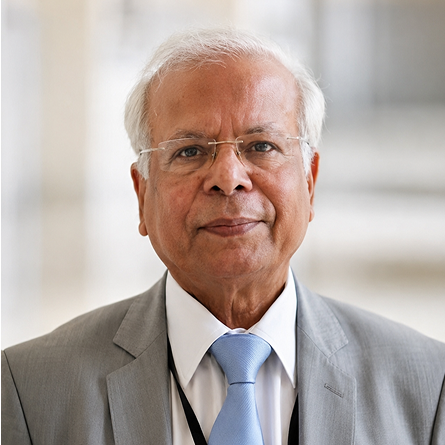
Professor Emeritus, IBA Karachi; Former Governor, State Bank of Pakistan
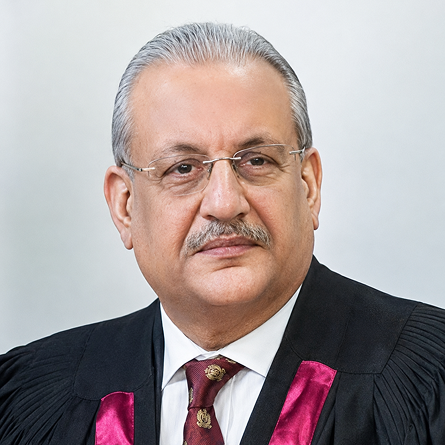
Advocate of the Supreme Court of Pakistan; Former Chairman, Senate of Pakistan
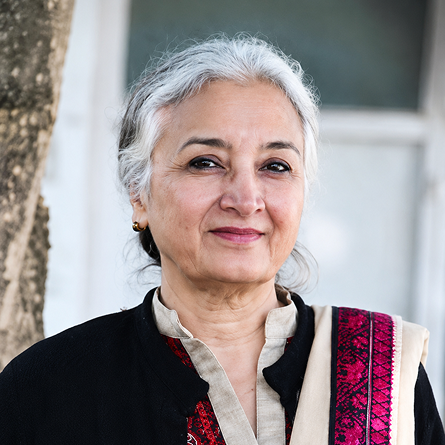
Gender and Social Development Specialist; Former Chairperson, National Commission on Status of Women
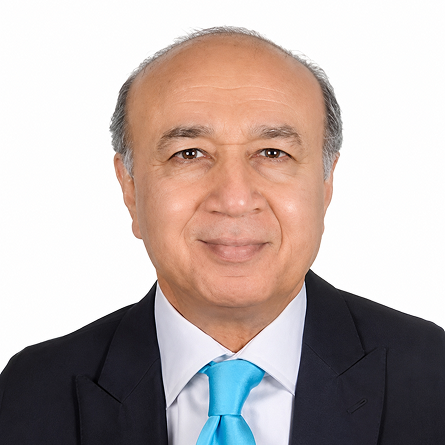
Former Governor, State Bank of Pakistan; Development Economist and Policy Specialist
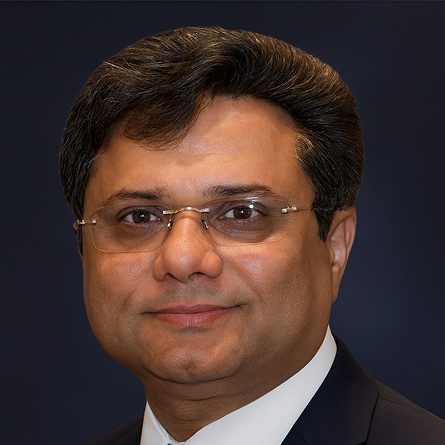
Advocate, Supreme Court of Pakistan;
Specialist in constitutional, corporate, tax and media laws

Prime Minister's Focal Person on Polio Eradication;
Ombudsperson for the Rights of the Child

Former Civil Servant;
expert in public administration, urban governance and institutional management

Former Station Commander, Lahore Cantt;
Governance and Infrastructure Management Specialist
For detailed profile of each distinguished member, please visit our Advisory Council page.